Celebrate Shark Week 2024 with our one-stop shop for all your sharky needs! Steve Backshall is a wildlife expert and will help guide you through everything you need to know.

Catch up on Deadly Mission shark on BBC iPlayer now!
Types of shark
- Blacktip shark
- Blue shark
- Bull shark
- Epaulette shark
- Great white shark
- Hammerhead shark
- Lemon shark
- Mako shark
- Megalodon
- Oceanic whitetip shark
- Ragged tooth shark
- Thresher shark
- Tiger shark
- Whale shark
Blue shark
Find out more about the blue shark - "Fins like the wings of a plane".

Whale shark

Try this true or false quiz all about the whale shark!
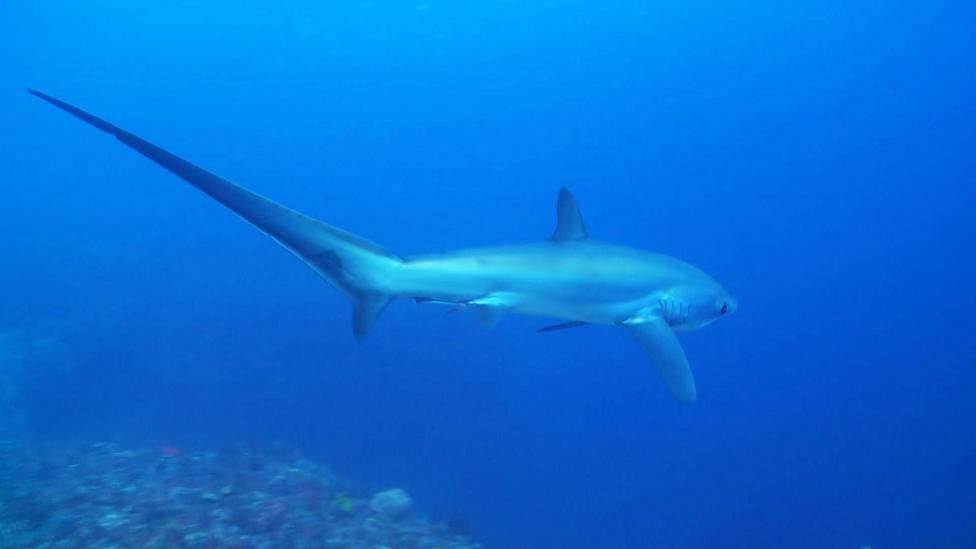
Thresher shark
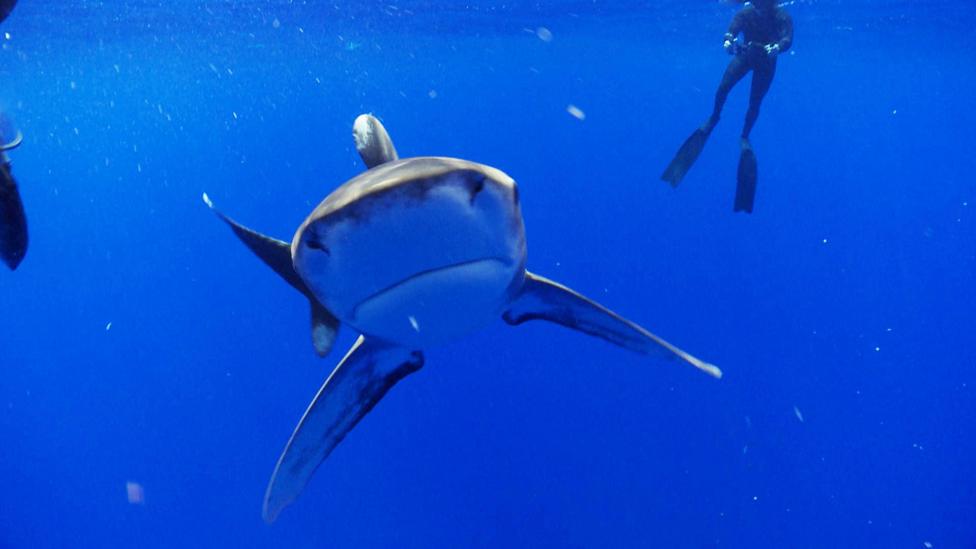
Oceanic whitetip shark
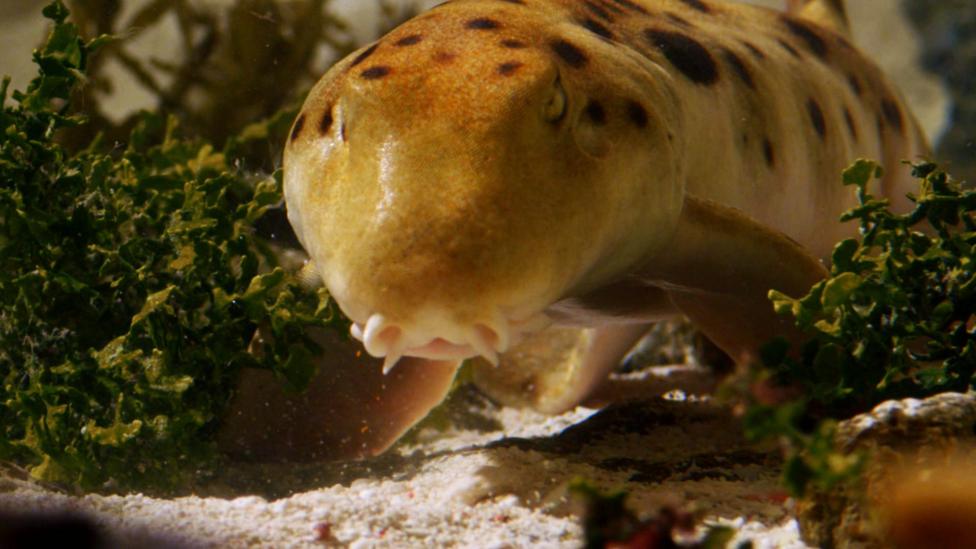
Epaulette shark
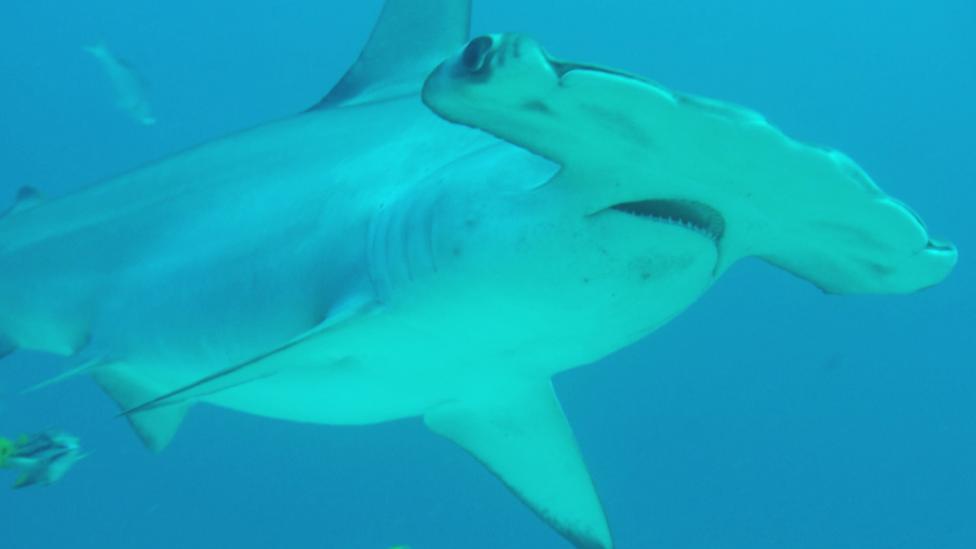
Hammerhead shark
Steve Backshall meets the hammerhead shark, a shark with some seriously super senses!
Lemon shark

Ragged tooth shark
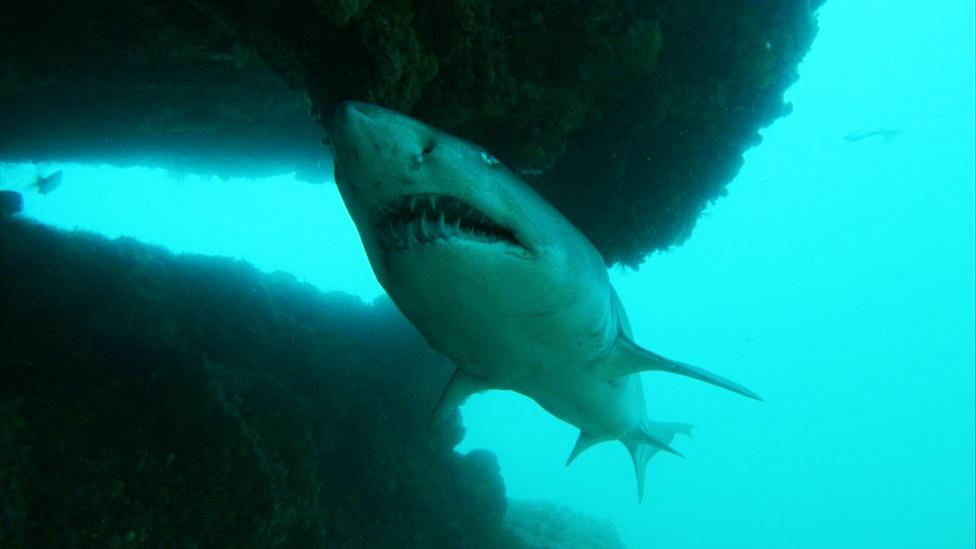
A lean, mean fish-filleting machine - the ragged tooth shark.

Tiger shark

Mako shark

Great white shark


Bull shark

Blacktip shark
On their own they're a formidable force, but as a team, blacktip sharks are unstoppable.

Megalodon

Steve answers all your shark questions
Steve answers all these shark questions in shark chat!
- Is the megalodon still around today?
- Why do sharks regrow their teeth?
- How strong is the maximum shark bite?
- Why are sharks carnivorous? Why do sharks eat meat?
- How fast can a shark swim?
- Can sharks stop swimming?
- How do sharks breathe?
- How deep in the ocean can a shark go?
- Were sharks around with the dinosaurs?
- How is plastic pollution affecting sharks?
- What is the smallest species of shark that's around today?
- What's the biggest shark alive today?
- What's the most amount of sharks you've seen at one time?
- Are there venomous sharks?
- Can sharks smell fear?
- If you could be a shark, which would it be?

Steve busts all those shark myths in the shark myth buster!
Check out the videos here for busting shark myths.
Are sharks mindless killing machines?
Myth! Sharks are intelligent creatures with complex behaviours. I've spent a lot of time with the over the years and have a healthy respect for them, but also know with absolute certainty that they're not indiscriminate killers and would only attack a human if they felt threatened or mistook them for their natural prey.
Are all sharks big and scary?
Myth! Sharks vary in size. Some are huge and can be as long as a bus, but others are no bigger than your pet guinea pig!
Do all sharks have sharp, pointy teeth?
Myth! Sharks have teeth adapted to their individual diets. While some species like lemon sharks do indeed have pointed teeth to help catch their slippery prey, other species like the whale shark are filter feeders, and have no sharp teeth at all.
Are sharks only found in the ocean?
Myth! Most sharks live in the sea, but bull sharks have adapted to thrive in both fresh and saltwater. They use the murkier waters of the river channels to ambush their prey and even other sharks. Some species, like the epaulette shark, have even evolved to walk on land, meaning they can move from rock pool to rock pool in search of a tasty snack.
Do all sharks look alike?
Myth! Sharks come in all different shapes and colours. Some species, like wobbegongs, have intricate patterns and colouration to help them camouflage into their surroundings. This makes them incredible ambush predators.
Do sharks have silky, smooth skin?
Myth! Sharkskin actually feels like sandpaper, because it's made up of tiny, leaflike structures known as dermal denticles, and it's thought this makes them more streamlined in the water.
Do sharks stalk the shallow coastlines?
Myth! While some sharks can be found near the coast, many prefer the open ocean and some can even be found living thousands of metres below the surface. With no light to penetrate the dark depths, some species of shark can even glow.
Can sharks can smell a drop of blood from a mile away?
Myth! Sharks will only detect a scent if it's carried by ocean currents towards them. Even then, plenty of studies have shown that human blood isn't a scent they associate with food. So no, if you jump in the ocean with a cut, chances are you won't be starting a shark feeding frenzy.
If sharks went extinct, it wouldn't affect me, would it?
The biggest myth of all! One third of sharks and rays species face extinction. As apex predators at the top of the food chain, losing them from the environment would have far reaching consequences and could imbalance the entire ocean ecosystem.